How to choose a safety helmet and vest kit for hot weather: vented helmets, breathable mesh vests and safety glasses that stay comfortable on tropical sites.
On a hot, humid site in the Philippines, Indonesia, Kenya or Ghana, the best safety kit is the one workers keep on. A helmet that traps heat gets pushed back. A heavy vest gets unzipped or left in the shade. Glasses that fog up get taken off. That is not a worker problem. It is a kit problem, and it is usually fixed at the ordering stage, before a single box is shipped.
A safety helmet and vest kit for hot weather is the same three pieces — helmet, reflective vest and safety glasses — chosen together for heat, humidity, sun and rain, and checked as one set before you order for a whole crew. This guide explains those choices in plain terms, what to test with a small trial group, and how to look after the kit in daily use.
Start with the working day, not the catalogue
Before comparing products, write down what a normal shift looks like. How many hours are spent in direct sun? Is the work on roads, where passing traffic matters most, or in a yard, where dust and moving machines matter more? Does the shift run into the evening, when light fades fast?
The answers change the kit. A road crew needs vests that stand out from far off, in daylight and in headlights. A warehouse team needs glasses that do not fog when moving between a cool room and a hot loading bay. A roofing crew needs helmets that stay put when workers bend and climb. Ordering by job, rather than by habit, is the cheapest improvement most distributors can make.
The helmet: air, fit and staying in place
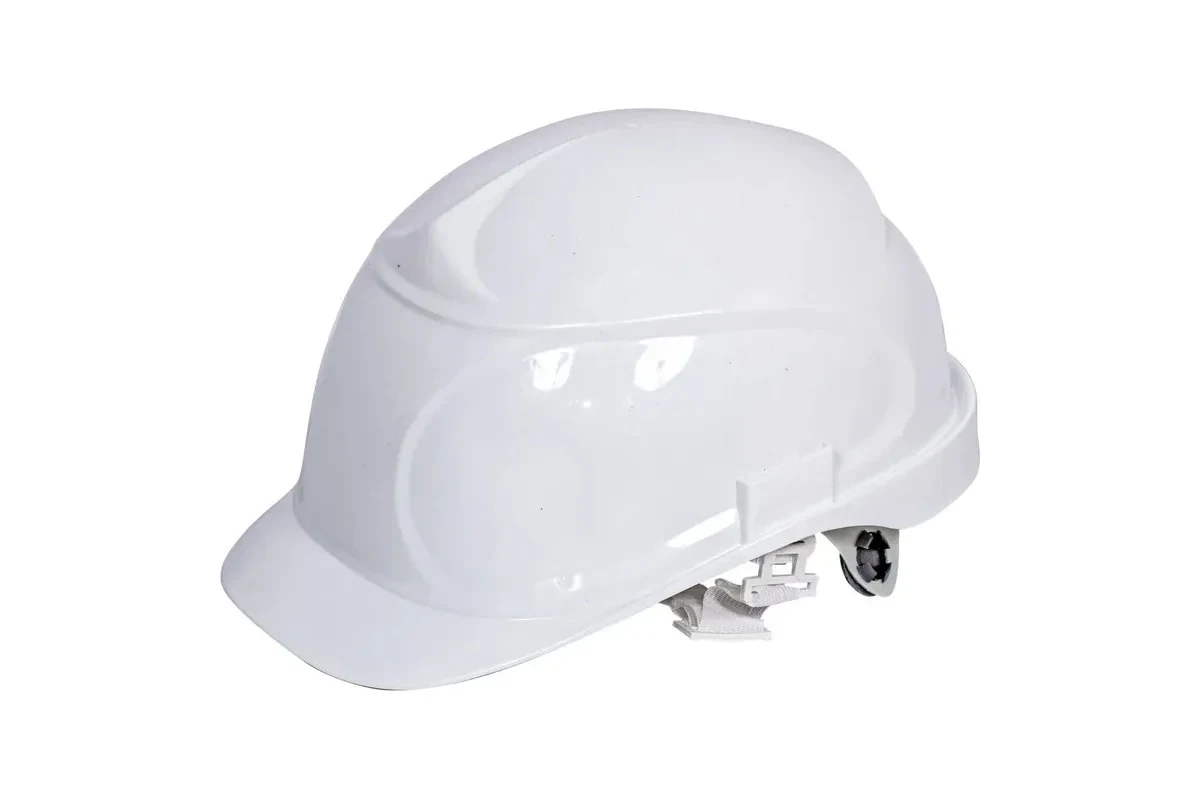
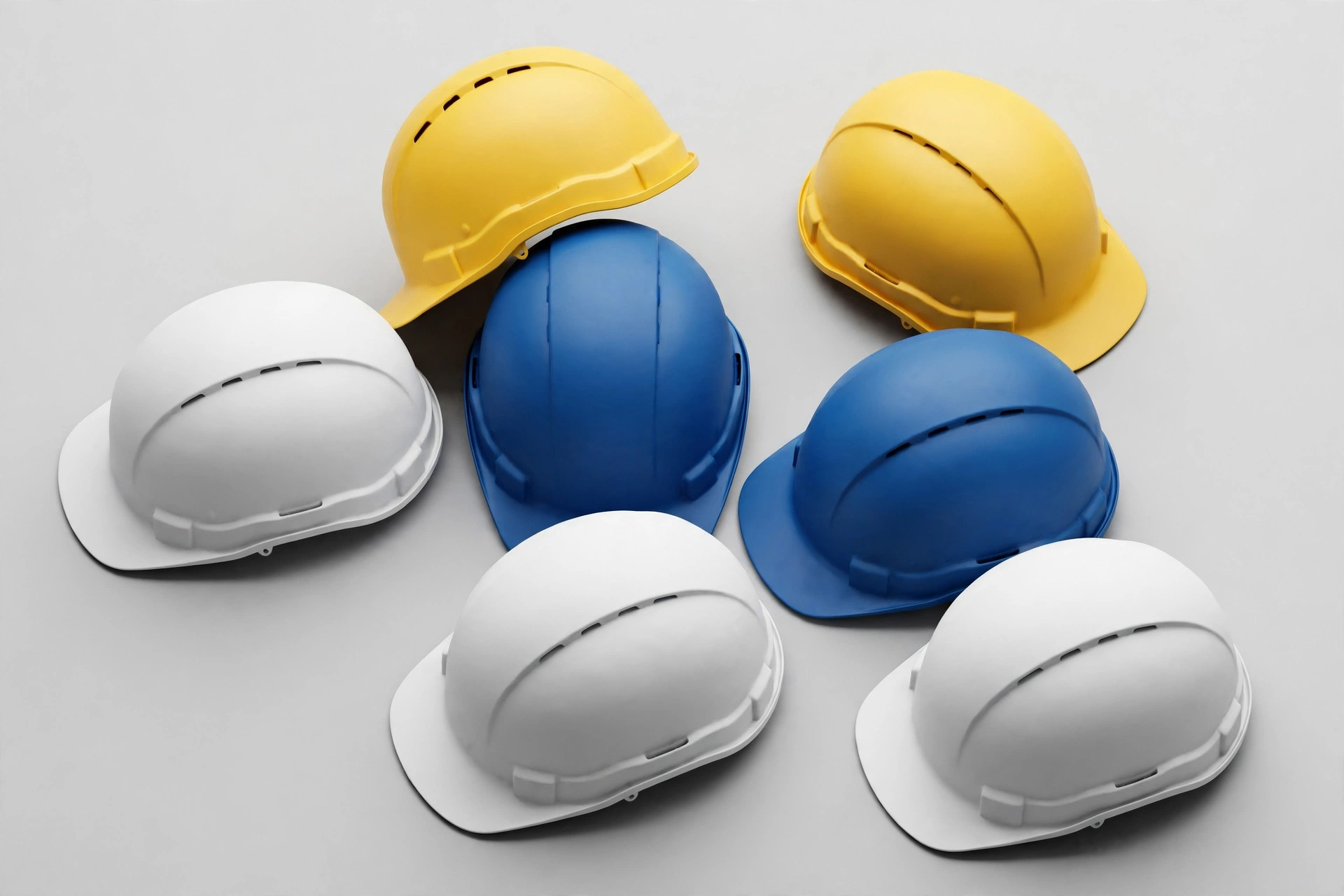
Heat builds up fastest under a closed helmet, so ventilation is the first thing to look at for tropical work. Vented helmets have openings that let warm air escape and moving air pass through. In a trial, workers will tell you within an hour whether a vented style feels cooler than a solid one. Comfort is not a luxury here: a helmet that feels cooler is a helmet that stays on.
Fit matters as much as ventilation. The helmet should sit level and stay steady when the wearer bends or looks up, and the inner suspension should adjust to many head sizes. For climbing or work at height, add a chin strap that is easy to fasten without removing gloves.
For hot weather, start the trial with vented styles and keep basic styles for indoor or shaded work. Ask the crew which style they reach for first — that answer is worth more than any brochure description.
Browse the full range of safety helmets to compare vented and basic styles side by side before you shortlist.
The vest: bright, breathable and easy to see
A reflective vest has two jobs in hot weather, and they pull in opposite directions: it must be easy to see, and it must let air through. Mesh fabric solves most of that tension. Its open weave lets sweat evaporate and air move, while the bright body colour and reflective stripes do the seeing. Solid polyester vests suit dusty work where mesh can snag, or jobs where pockets and a sturdier feel matter more than airflow. Many crews use mesh outdoors by day and a solid vest for night or road work, and that is a sensible split.
Colour choice is simple. Bright fluorescent yellow and orange stand out against concrete, soil, vegetation and road surfaces. Pick one colour per team and keep it consistent, so a supervisor can tell groups apart at a glance. Stripe layout matters too: stripes around the body and over the shoulders make the wearer visible from the front, back and side, even when turning. Check stripes in real light — at a distance in daylight, then in headlights at dusk.
Fit is where many vests fail. Too tight, a vest restricts movement and traps heat; too loose, it flaps, catches on equipment and hides its stripes in folds. It should close easily, sit flat over a shirt and leave the arms free. Pockets help for a phone or small tools, but each adds weight and warmth, so add them only where the job needs them.
See the full range of reflective vests, including mesh and polyester styles, to match fabric to each job.
Safety glasses: the piece that gets removed first
Glasses are the most likely piece of the kit to be taken off, and fogging is usually the reason. In humid air, a lens fogs when a worker moves from shade to sun, from a cool room to the yard, or simply starts sweating hard. Sealed goggles with anti-fog lenses are made for exactly those conditions and are worth trialling for dusty, humid or splash-prone work. For general site work, clear wraparound glasses suit most of the day, while tinted lenses help outdoors in strong sun. Workers who wear prescription glasses need a style that fits over them, rather than a style that forces a choice between seeing clearly and protecting their eyes.
Test glasses together with the helmet, because a frame that is comfortable alone can press or slip once a suspension and chin strap are added. Try the combination while bending and walking, not only standing still. Rinse lenses before wiping, use a soft cloth, and keep a spare pair per worker where dust or splashes are heavy.
Compare clear, tinted and anti-fog styles in the safety goggles range, and trial them with the helmet your crew will actually wear.
Making the three pieces work as one kit
The simplest test a buyer can run costs almost nothing: give a small trial group the full kit — helmet, vest and glasses together — for a week of real shifts, and ask four questions. Does the helmet stay level when you bend? Does the vest breathe and stay visible after a day of dust? Do the glasses fog, slip or press? Does anything rub or catch when all three are worn at once? Fix what fails before ordering for the whole crew, not after.
Sizes need the same care. Order a mix of helmet adjustments and vest sizes that matches the real crew, not an even split that looks tidy on paper, and keep spare chin straps, glasses and vests on site. A kit that cannot be replaced quickly will be worn broken. For resale buyers, the trial helps too: a distributor who has worn the kit can answer customers from experience. If you are comparing options, contact us for models, MOQ and pricing, and ask for vented helmet, mesh vest and anti-fog eyewear styles first for outdoor tropical work.
Looking after the kit in heat and humidity
Hot climates wear kit out faster, so care is part of the purchase. Wash vests gently and regularly, and dry them in the shade rather than in harsh direct sun, which fades bright colours and weakens stripes over time. Check stripes after washing: if they are peeling, cracked or dull, the vest is no longer doing its main job, however clean it looks. Replace it.
Check helmets before each shift for cracks, worn suspension parts and frayed chin straps. Any helmet that has taken a heavy blow should be taken out of use, even if damage is hard to see. Store helmets out of direct sun, and never hang one by its chin strap where it can fall. Rinse glasses before wiping, store them in a case rather than loose in a toolbox, and replace them when scratches blur vision — a scratched lens is a reason workers stop wearing glasses.
For the working day as a whole, general heat guidance on water, rest, shade and gradual adjustment to heat is published by the CDC and by OSHA. This guide covers the kit worn during it.
A short ordering checklist
- List each job separately: road, yard, warehouse, roofing, night work.
- Trial vented helmets, mesh vests and anti-fog eyewear with a small crew for a full week.
- Check visibility at a distance, in daylight and in headlights at dusk.
- Check fit together, not piece by piece, including over prescription glasses.
- Order a realistic size mix, one colour per team, plus spares.
- Plan washing, shade drying, stripe checks and replacement before the first order arrives.
- For the full range, contact us for models, MOQ and pricing.
A safety helmet and vest kit for hot weather succeeds when nobody notices it: workers put it on in the morning, forget it during the shift, and take it off in the same condition it started. That is achievable with ordinary, well-chosen kit — a vented helmet that fits, a bright mesh vest that breathes, and glasses that stay clear. Get those three right together, and the kit stops being something workers endure and becomes something they simply wear.